How to Keep Dry Fruits Fresh and Prevent Rancidity
To preserve maximum freshness and prevent rancidity in dry fruits (almonds, cashews, pistachios, walnuts, and raisins), keep them away from four core degradation triggers: atmospheric oxygen, ambient moisture, light, and heat. For daily consumption (1–3 months), store dry fruits in clean, airtight glass or food-grade stainless steel containers in a dark, cool pantry shelf below 20°C and under 65% relative humidity. For long-term storage (6–12+ months), place airtight containers or vacuum-sealed barrier pouches in the refrigerator (0°C–4°C) or freezer (-18°C).
Never store nuts in unsealed plastic bags, near stove heat, or alongside strong-odour items like spices or garlic, as nut lipids easily absorb surrounding moisture and volatile aromas.
“Store dry fruits in airtight glass containers in a cool, dark pantry for immediate use, or refrigerate/freeze them to block oxygen and preserve natural oils for up to a year.”
Understanding Rancidity Science: Why Nuts Lose Freshness
Dry fruits and nuts are concentrated nutrition powerhouses packed with natural lipids—ranging from 44% fat in cashews to 50% in almonds and over 65% in walnuts. While these monounsaturated (MUFA) and polyunsaturated fatty acids (PUFA) deliver exceptional cardiovascular and brain health benefits, they also make nuts naturally susceptible to oxidation.
Nuts undergo two primary types of rancidity:
1. Oxidative Rancidity: Caused when unsaturated double bonds in nut fatty acids react with atmospheric oxygen in the presence of light or heat. This breakdown produces volatile aldehydes and ketones, resulting in a harsh, stale, paint-like odour and a bitter throat burn.
2. Hydrolytic Rancidity: Occurs when atmospheric moisture (humidity) triggers natural lipase enzymes within raw or improperly sealed nuts. Free fatty acids are liberated, causing a soapy off-flavour and loss of kernel crispness.
High polyunsaturated fat contents make walnuts and pine nuts degrade fastest at room temperature, followed by pistachios, almonds, and cashews.
“Light, heat, and atmospheric oxygen trigger chemical lipid oxidation, transforming fresh nut oils into stale, bitter aldehydes.”
Ideal Storage Parameters: Temperature, Humidity, and Light Control
Maintaining optimal storage conditions dramatically extends the shelf life of whole nuts and dry fruits across Indian seasons:
• Temperature Control: Chemical reaction rates double for every 10°C rise in ambient temperature. Standard ambient room temperatures in Indian summers (30°C–40°C) cause rapid oil deterioration. Maintaining temperatures below 20°C in a pantry, or between 0°C and 4°C in a refrigerator, keeps natural oils stable.
• Relative Humidity (RH) & Water Activity: Nuts are hygroscopic food items that readily absorb surrounding air moisture. Ambient relative humidity should ideally be kept below 65%, keeping kernel water activity (aw) under 0.60 to prevent microbial growth and sogginess.
• UV & Light Protection: Direct sunlight and bright artificial indoor lights act as catalysts for photo-oxidation. Storing nuts in opaque containers or dark pantry cupboards protects light-sensitive Vitamin E and essential lipids.
Room Temperature vs. Refrigeration vs. Freezing: Practical Guide
Choose the right storage method based on consumption frequency and seasonal weather:
1. Short-Term Pantry Storage (1 to 3 Months): Suitable for everyday consumption during cooler months. Store nuts in airtight glass jars or heavy-duty food-grade stainless steel containers. Keep the container in a dark cabinet far away from kitchen stoves, ovens, or direct window sunlight.
2. Medium-Term Refrigeration (3 to 6 Months): Highly recommended during hot summer and humid monsoon months across India. Place sealed jars or thick resealable zip-lock pouches in the refrigerator vegetable crisp drawer (2°C–5°C). Cold storage halts insect activity and preserves crisp texture.
3. Long-Term Deep Freezing (6 to 12+ Months): Ideal for bulk purchases, seasonal festive gifts, or sensitive nuts like walnuts and pine nuts. Sub-zero temperatures (-18°C) freeze natural water activity and halt lipid degradation without damaging kernel cellular structure.
When removing nuts from the refrigerator or freezer, let the closed container reach room temperature for 15–20 minutes before opening. Opening cold jars immediately in humid room air causes condensation droplets to form on cold kernels, inducing rapid sogginess.
“Always let cold refrigerator or freezer jars thaw to room temperature before opening to prevent humid air from condensing on cold nut kernels.”
Monsoon Moisture, Pest Prevention, and Odour Absorption
Indian monsoons introduce extreme relative humidity levels (often exceeding 85% RH), posing specific challenges for dry fruit storage:
• Moisture Absorption & Molds: High humidity causes crisp roasted almonds and cashews to absorb moisture within hours. Stale moisture can foster mold growth (including harmful mycotoxins/aflatoxins). Always use containers with tight rubber silicone gasket seals.
• Pest & Weevil Prevention: Pantry pests such as Indian meal moths and flour beetles thrive in warm, humid unsealed containers. Thoroughly sanitize glass jars before filling, ensure lids seal tightly, and place dried bay leaves or clove buds on pantry shelves as natural non-toxic insect deterrents.
• Cross-Odour Protection: High-fat nuts act like sponges for environmental odours. Never store open dry fruits next to pungent spices, onions, garlic, or cleaning chemicals in kitchen cabinets.
Container Selection: Glass vs. Stainless Steel vs. Plastics
The container material plays a vital structural role in barrier protection:
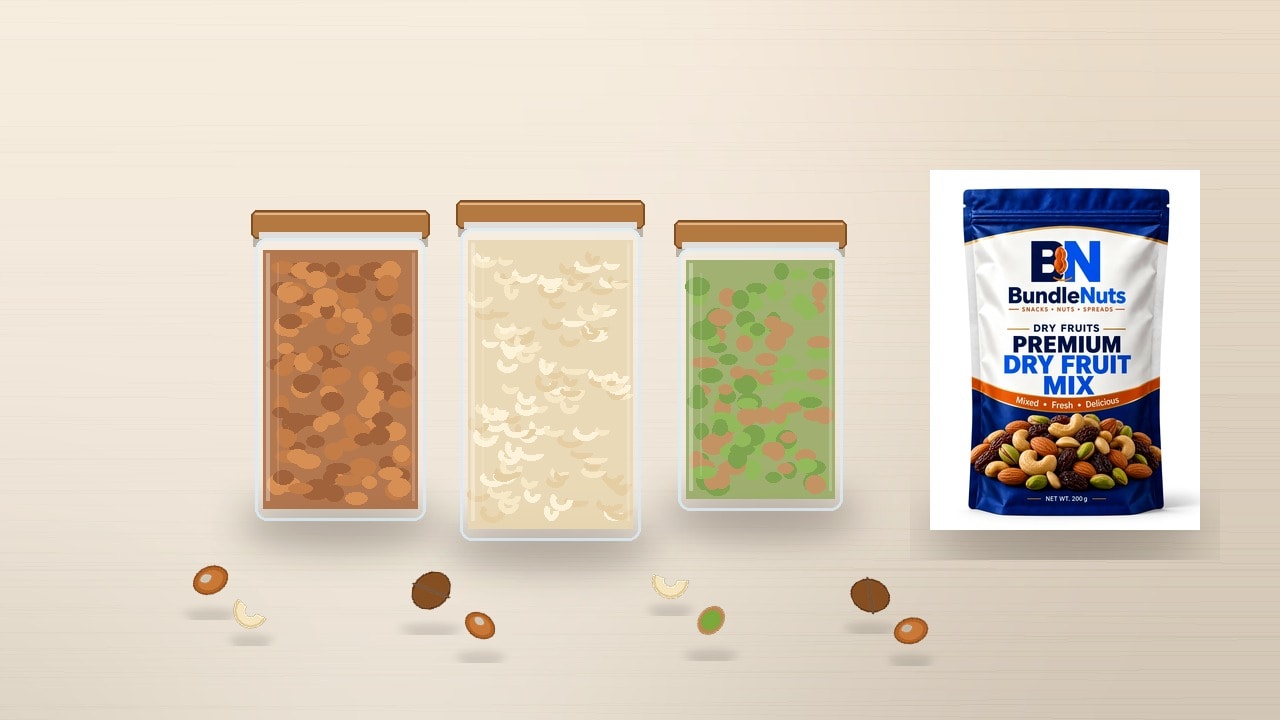
• Glass Jars (Best for Pantry): Non-porous, chemically inert, zero flavour migration, and easy to inspect visually. Fitted with silicone gasket lids, glass offers top-tier oxygen and moisture protection.
• Stainless Steel Containers (Excellent for Indian Pantries): Completely light-proof, durable, non-toxic, and hygienic. Ideal for protecting sensitive nuts from ambient sunlight.
• Multilayer Aluminum Foil Pouches (FMCG Standard): Nitrogen-flushed, metallized barrier pouches block 100% of oxygen, moisture, and light. Resealable zip-lock stands are perfect for on-the-go travel and office desk storage.
• Thin Polyethylene / Disposable Plastics (Avoid): Standard thin polythene bags allow gradual oxygen and humidity permeation, leading to stale nuts within weeks.
How BN BundleNuts Packages for Lasting Freshness
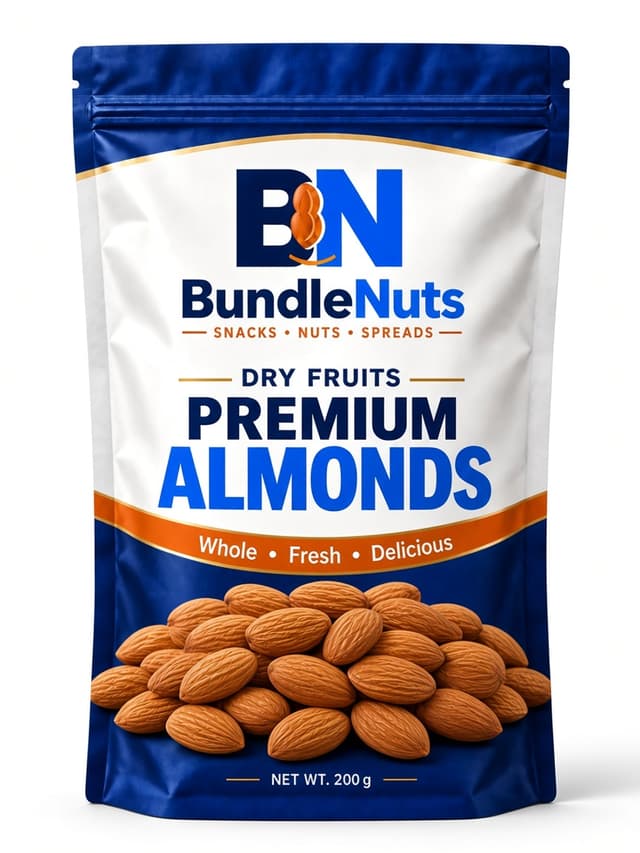
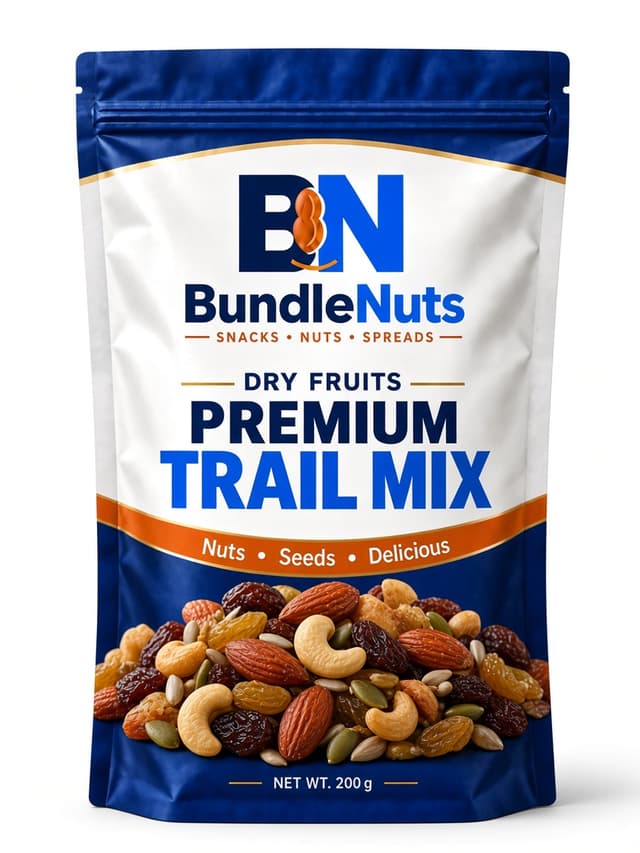
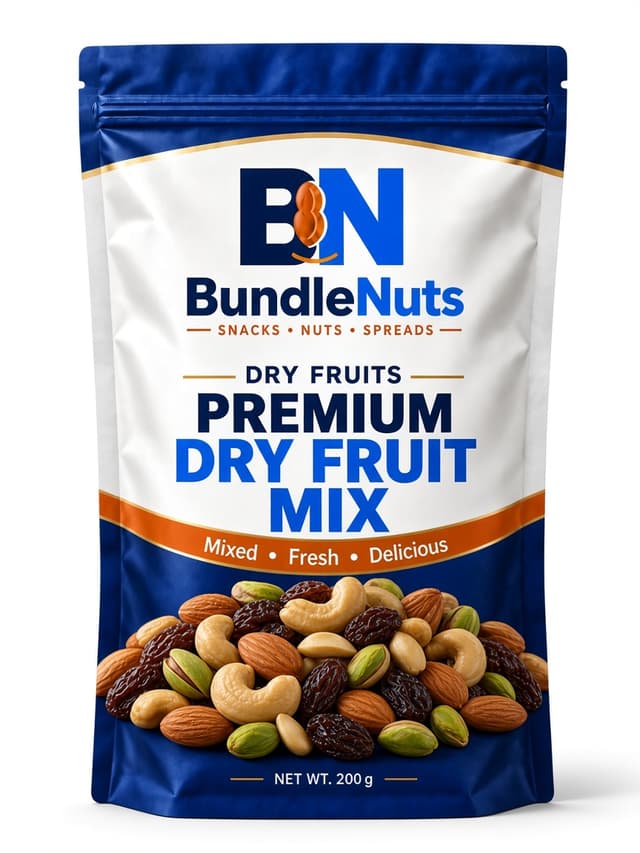
At BN BundleNuts, freshness engineering begins at the source. Our premium dry fruit range—including whole California almonds, whole cream-white cashews, in-shell pistachios, walnuts, and mixed dry fruits—is processed under strict FSSAI hygiene standards.
Every BundleNuts product is packed in heavy-duty, multilayer metallized barrier pouches with nitrogen flushing technology. By displacing ambient oxygen with inert food-grade nitrogen, we eliminate lipid oxidation triggers before the pack even leaves our production facility.
Explore our grade-verified whole dry fruit range in resealable pouches on our website:
• Premium Almonds: /products/dry-fruits/premium-almonds
• Premium Cashews: /products/dry-fruits/premium-cashews
• Premium Pistachios: /products/dry-fruits/premium-pistachios
• Premium Dry Fruit Mix: /products/dry-fruits/premium-dry-fruit-mix
For festive gifting and seasonal storage advice, read our comprehensive Diwali Dry Fruit Gifting Guide 2026 (/blog/diwali-dry-fruit-gifting-guide-2026) and our Almonds vs Cashews Snacking Guide (/blog/almonds-vs-cashews-snack-guide).