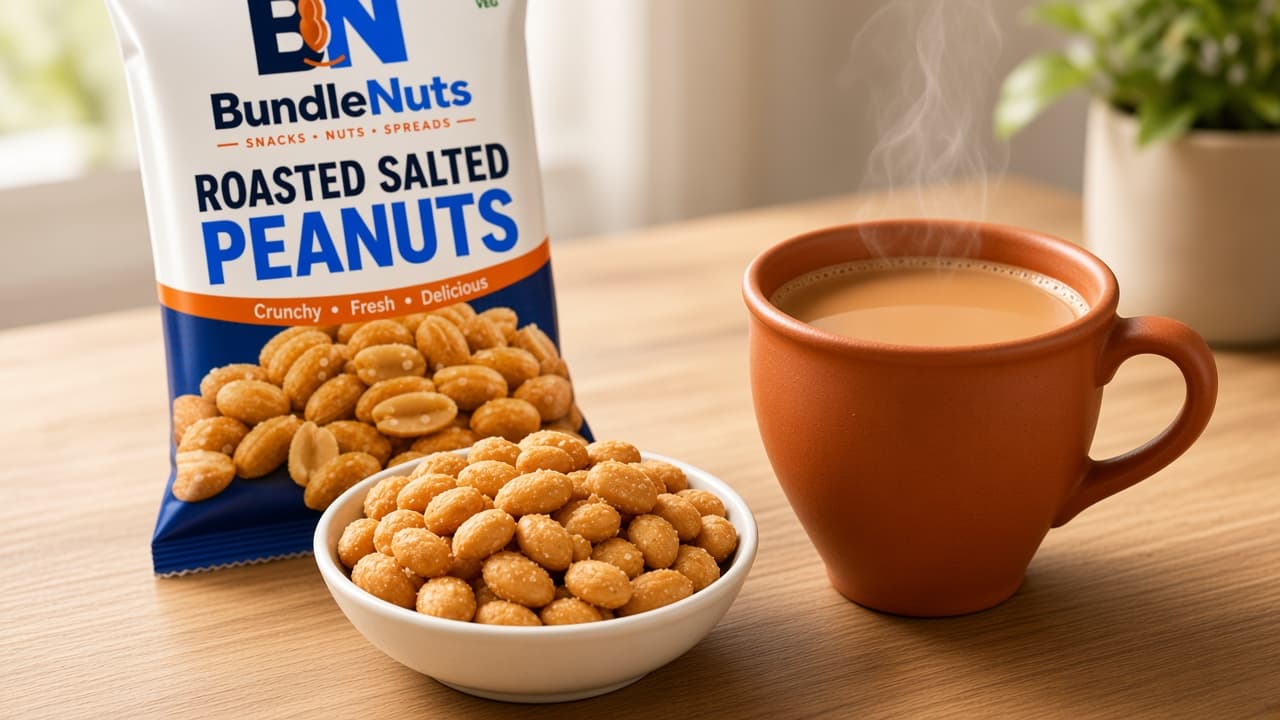
What Makes the Best Roasted Peanuts for Daily Snacking?
The ideal roasted peanuts for office and tea-time snacking are slow-roasted or dry-roasted (not deep-fried), uniform in kernel size, non-greasy, and packed in moisture-proof, nitrogen-flushed packaging. Look for clean spice formulations without artificial food dyes or excessive palm oil. High-quality roasted peanuts offer 25g of plant protein per 100g, making them a satisfying, crunch-rich alternative to refined flour biscuits and deep-fried namkeen.
“Great roasted peanuts should leave your fingers clean, deliver an acoustic crunch, and keep you energized without a sugar slump.”
Why Peanuts Anchor the Indian Tea-Time & Office Ritual
In workplaces and homes across India, 4:00 PM marks an unwritten national appointment: the evening chai break. Whether in corporate office pantries, work-from-home desks, or family living rooms, tea time demands a crunchy companion.
For decades, deep-fried bhujia, fried mathris, and sugary biscuits dominated this slot. However, as working professionals become increasingly conscious of daily calorie quality, sodium bloat, and afternoon brain fog, roasted peanuts have emerged as the premier choice for daily snacking.
Peanuts (Arachis hypogaea) possess a unique combination of natural plant protein, healthy monounsaturated fats, dietary fiber, and essential minerals like magnesium and niacin. When roasted correctly, they satisfy the sensory craving for crunch and savoury flavour while providing sustained physical energy.
Understanding Roasted Peanuts: Dry-Roasted vs. Deep-Fried
Not all packaged peanuts on supermarket shelves are created equal. Understanding the manufacturing and processing methods is essential for choosing a wholesome daily snack.
• Dry Roasting / Slow Air Roasting: Raw peanut kernels are subjected to hot circulating air or heated sand bed roasting at controlled temperatures (140°C–160°C). This process activates the Maillard reaction, developing a rich nutty aroma and crisp texture without drenching the nut in external oil.
• Deep-Fried Peanuts: Commercial mass-market brands often submerge peanuts in hot palm oil or hydrogenated fats to achieve rapid frying. This adds excess fat, increases calorie density, and can cause finger grease that spoils keyboards and office documents.
• Vacuum Roasting / Low-Oil Roasting: Modern FMCG facilities use precision temperature control and minimal edible oil coating to lock in spices like hing, jeera, or chilli garlic while preserving kernel integrity.
“Always check the processing method on the back of the pack. Slow-roasted peanuts retain natural peanut oils without feeling greasy to the touch.”
4 Key Factors to Evaluate When Buying Roasted Peanuts
To ensure you get the freshest taste and best nutritional value, evaluate these four critical criteria:
1. Kernel Size & Uniformity: Premium roasted peanuts use bold-sized, unbroken kernels (such as TJ or Java varieties). Uniform kernel size ensures even roasting without burnt or undercooked notes.
2. Spice & Seasoning Transparency: Quality brands use authentic ground spices—such as real roasted cumin, Asafoetida (Hing), dry garlic powder, and rock salt / Himalayan pink salt—rather than synthetic flavour enhancers or artificial red food colorants.
3. Non-Greasy Texture: A simple test for desk-side suitability is the paper napkin test. Quality roasted peanuts should not leave heavy oil residue on your hands or paper, allowing you to work seamlessly on laptops or touchscreens.
4. Protective Packaging: Peanuts contain natural unsaturated oils that oxidize when exposed to air, light, or humidity, leading to stale 'rancid' off-flavours. Choose multilayer foil pouches with nitrogen flushing for lasting crispness.
Exploring Popular Indian Flavours for Different Snack Occasions
Indian palates thrive on flavour diversity. Choosing the right profile depends on your specific snacking moment:
• Classic Salted: Lightly seasoned with iodized or rock salt, highlighting the natural roasted nut sweetness. Perfect for focused work hours and mild tea pairings.
• Indian Masala: Coated in a tangy spice blend featuring chat masala, amchur, black salt, and red chilli. Ideal for evening cravings and lively group discussions.
• Hing Jeera: Infused with digestion-friendly Asafoetida and roasted cumin. A traditional favourite that pairs exceptionally well with hot cutting chai.
• Chilli Garlic: A bold, pungent spice profile crafted for lovers of heat and intense flavour. Outstanding for evening unwinding and weekend gatherings.
Matching Peanut Packs to Real-Life Snacking Moments
• Office Pantry & Desk Drawer: Single-serve 35g to 70g packs prevent overeating and fit neatly into laptop bags, providing a quick 10g+ protein pick-me-up between meetings.
• Family Tea Time: 200g value packs are economical for daily home consumption, offering hygienic sharing for family members after school or work.
• Institutional & Hospitality Supply: Bulk 500g and 1kg packs cater to corporate pantries, hotel mini-bars, cafes, canteens, and catering events requiring consistent quality and food safety compliance.
The BN BundleNuts Approach to Roasted Peanuts
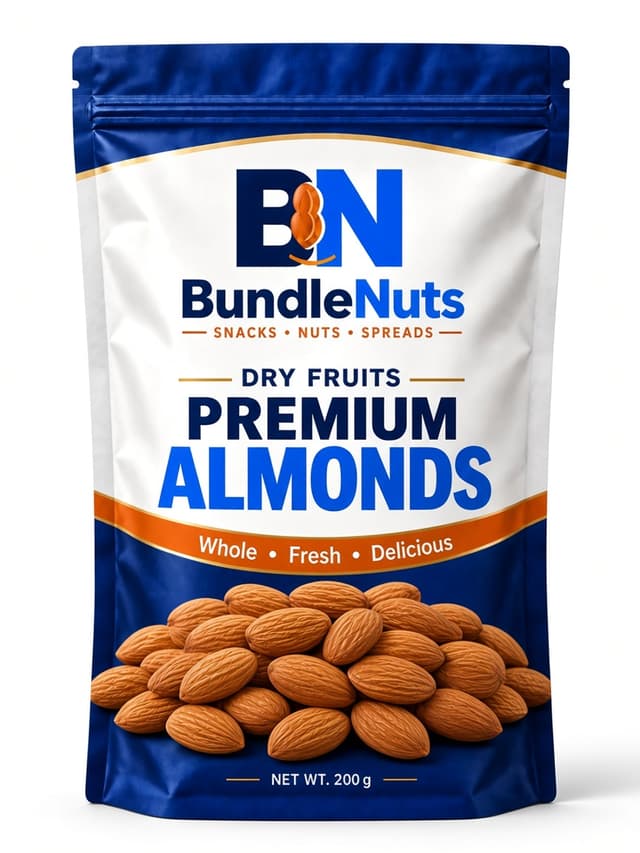
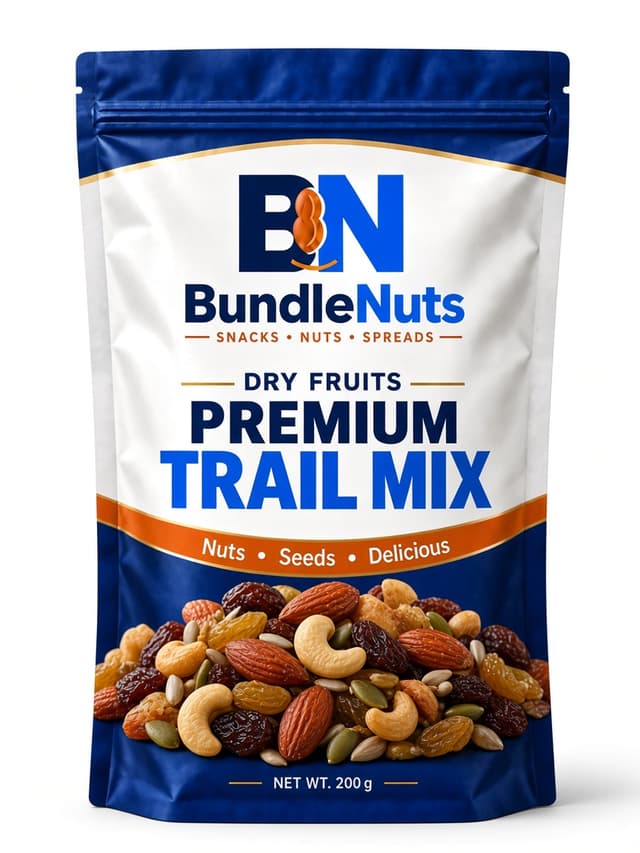
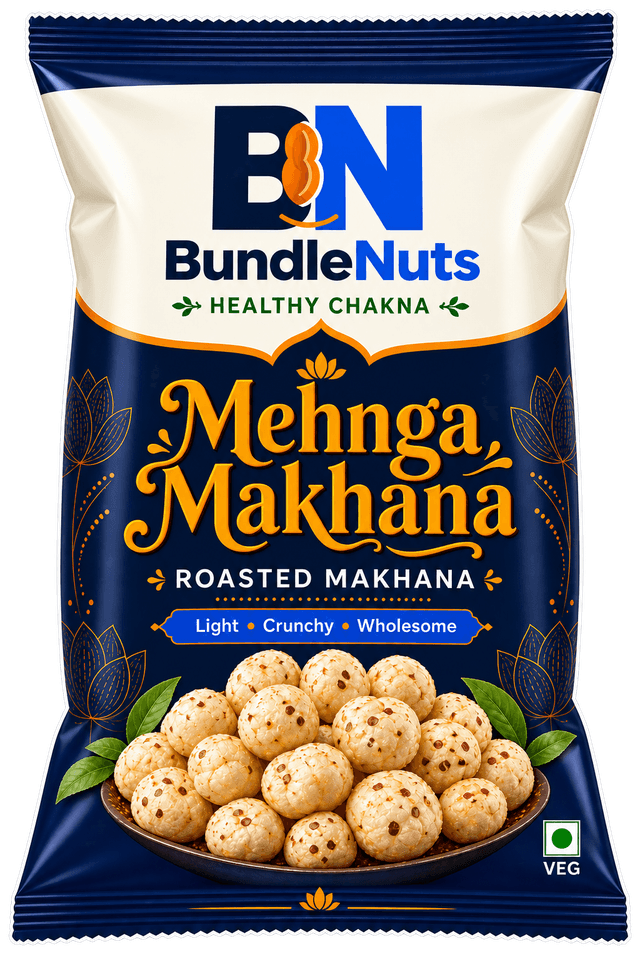
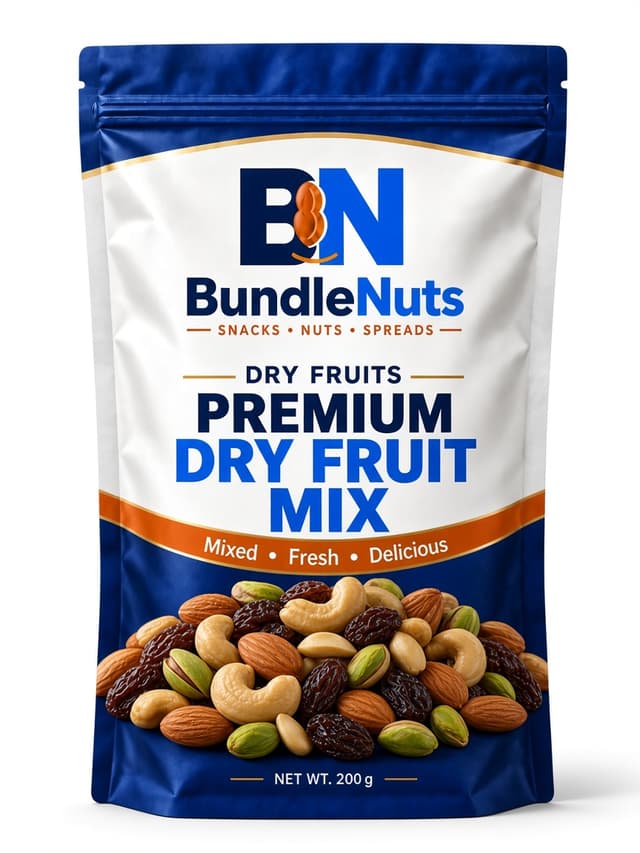
At BN BundleNuts, peanuts form the heart of our Daily Chakhna series. We source premium bold kernels, slow-roast them to precise golden crunchiness, and season them with authentic Indian spice formulations.
Our range includes Classic Salted, Indian Masala, Hing Jeera, and Chilli Garlic in single-serve 35g impulse packs, 70g daily pouches, 200g family packs, and 1kg institutional B2B packs.
We reject artificial colors, excessive oil coating, and inferior broken kernels—ensuring every pouch delivers clean crunch, high protein, and dependable FMCG quality.