
Pistachios vs Walnuts: Which Premium Nut Fits Your Daily Schedule?
Choosing between pistachios (Pistacia vera) and walnuts (Juglans regia) depends on your functional health objectives, cognitive demands, and snacking habits. Walnuts are the undisputed plant champion for Alpha-Linolenic Acid (ALA) Omega-3 essential fatty acids—delivering approximately 2.5g of ALA per 28g serving (2.5g/30g), supporting neural membrane fluidity, cardiovascular wellness, and cognitive stamina during intense work hours.
In-shell pistachios lead in electrolyte and micronutrient balance, boasting 1,025mg of potassium per 100g (surpassing bananas), high Vitamin B6 (1.7mg/100g), and lutein/zeaxanthin carotenoids for ocular protection. Furthermore, the physical act of de-shelling pistachios creates a visual cue of consumed shells that reduces caloric intake by up to 41% without sacrificing satiety.
“Opt for walnuts when seeking maximum brain-boosting Omega-3 ALA lipids; choose in-shell pistachios for electrolyte balance, Vitamin B6, and built-in portion control.”
The Science of Nut Lipids: Walnut ALA Omega-3 vs Pistachio Phytosterols
Understanding the lipid architectures of walnuts and pistachios reveals why both nuts occupy vital roles in modern daily nutrition:
• Walnut Lipid Complexity (Juglans regia): Walnuts contain over 65% total fat by weight, but this fat is overwhelmingly composed of Polyunsaturated Fatty Acids (PUFA). Crucially, walnuts are one of the few land plants rich in Alpha-Linolenic Acid (ALA)—an essential short-chain Omega-3 fatty acid that serves as a precursor to EPA and DHA. ALA reduces vascular inflammation and supports neural membrane integrity.
• Pistachio Micronutrient Powerhouse (Pistacia vera): Pistachios contain roughly 45% total fat, dominated by Monounsaturated Oleic Acid (MUFA). They excel in non-fat micronutrients, supplying 1.7mg of Vitamin B6 per 100g (vital for myelin sheath synthesis and serotonin production), bioavailable copper, and plant phytosterols that inhibit intestinal dietary cholesterol absorption.
“Walnuts supply plant-based Omega-3 ALA for brain and vascular health, while pistachios offer oleic MUFA, Vitamin B6, and cholesterol-blocking phytosterols.”
Cognitive Stamina, Neuroprotection & Electrolyte Balance
Incorporate these nutrient-dense nuts into your daily routine to support physical and mental performance:
• Brain Health & Neuroprotection: The human brain is composed of nearly 60% fat. The unique combination of ALA Omega-3, polyphenolic antioxidants, and Vitamin E in whole walnuts shields brain tissue against oxidative stress, supporting memory retention and focus during long workday shifts.
• Electrolytes & Muscle Function: High-potassium foods are crucial for regulating cellular fluid balance and nerve impulse transmission. With 1,025mg of potassium per 100g, pistachios help combat office fatigue and muscle cramps brought on by prolonged sitting.
• Satiety & Glycemic Control: Both nuts exhibit a low Glycemic Index (GI < 15). Consuming a 30g portion with afternoon tea signals fullness hormones (CCK and PYY), preventing sharp glycemic spikes.
The 'Pistachio Effect': Physical Cues for Mindful Desk Snacking
One of the greatest challenges in office desk snacking is subconscious overeating while distracted by screens and meetings. In-shell pistachios offer a built-in behavioural solution known in food psychology as the 'Pistachio Effect':
• Tactile Deceleration: Cracking open each shell requires hands-on involvement, slowing the rate of consumption and giving satiety receptors in the brain time to register fullness.
• Visual Shell Reminders: Keeping empty split shells visible on your desk creates an immediate visual tally of consumed calories, reducing total consumption by up to 41% compared to shelled nuts eaten mindlessly from a jar.
“Leaving cracked pistachio shells on your desk provides an visual cue that naturally prevents overeating during busy workdays.”
FMCG Sourcing & Preservation: Preventing Rancidity in High-PUFA Nuts
Because walnuts are high in delicate polyunsaturated fatty acids (PUFA), they oxidize faster when exposed to heat, light, and atmospheric oxygen. Follow these rules for maximum freshness:
1. Kernel Grade Inspection: Choose extra-light walnut halves with clean ivory skins and zero dark spots. For pistachios, select naturally opened jumbo in-shell kernels with bright green/purple skin hues.
2. Oxygen-Barrier Nitrogen Packaging: Nut lipids deteriorate rapidly when exposed to humid air. Choose products packed in multilayer aluminum barrier pouches with food-grade nitrogen flushing.
3. Pantry & Refrigerator Care: Store open nut containers in a cool, dark pantry shelf below 20°C. During summer and monsoon months, storing walnut jars in the refrigerator (0°C–4°C) preserves natural lipids for up to a year.
Explore the BN BundleNuts Mehnga Sauda & Dry Fruit Range
At BN BundleNuts, our Dry Fruits and Mehnga Sauda portfolio offers grade-verified whole nuts crafted for daily nutrition:
• Premium Pistachios: Naturally opened in-shell jumbo pistachios packed in nitrogen-flushed barrier pouches. Available at /products/dry-fruits/premium-pistachios.
• Premium Walnuts: Crisp, extra-light walnut halves packed for lasting crunch and zero rancidity. Available at /products/dry-fruits/premium-walnuts.
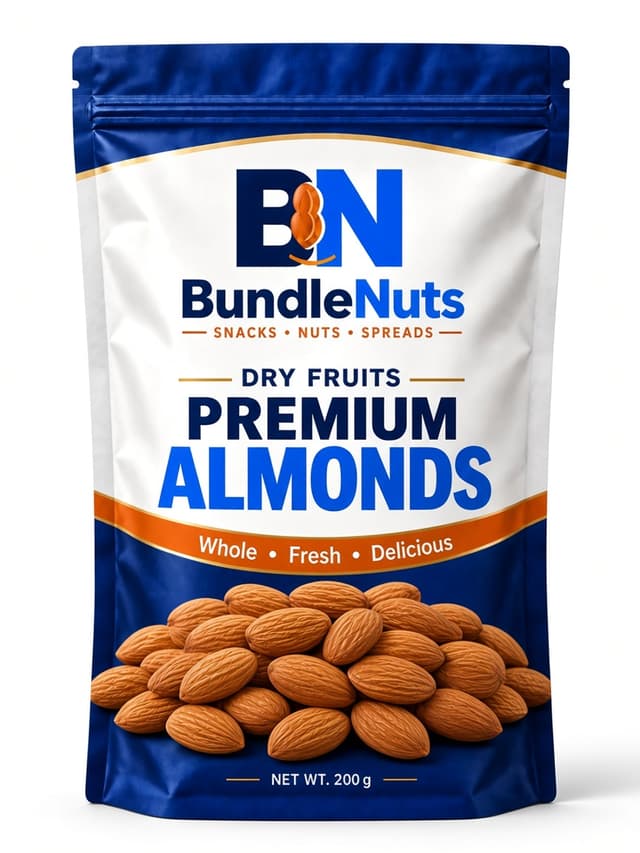
• Premium Dry Fruit Assortments: Explore our complete whole nut selection including /products/dry-fruits/premium-almonds and /products/dry-fruits/premium-cashews.
For additional guidance on nut selection, explore our guides on Almonds vs Cashews (/blog/almonds-vs-cashews-snack-guide), Dry Fruit Storage Guide (/blog/dry-fruit-storage-guide-preserve-freshness-prevent-rancidity), and Diwali Dry Fruit Gifting Guide 2026 (/blog/diwali-dry-fruit-gifting-guide-2026).
Pistachio & Walnut Snacking FAQs
Q: Should walnuts be soaked in water before eating? A: Soaking raw walnuts in water overnight reduces surface tannins and enzyme inhibitors, giving them a smoother taste. However, crisp dry-roasted or nitrogen-sealed walnuts can be enjoyed straight from the pouch.
Q: Can I eat pistachios and walnuts together every day? A: Absolutely! Combining a handful of in-shell pistachios (15g) and walnut halves (15g) delivers a balanced mix of ALA Omega-3s, potassium, Vitamin B6, and dietary fiber.
Q: How does nitrogen flushing protect nut freshess? A: Nitrogen flushing displaces ambient oxygen inside the barrier pouch with inert food-grade nitrogen gas, halting lipid oxidation and preserving acoustic kernel crunch.