Raisins vs Dates: Which Natural Sweetener Fits Your Daily Diet?
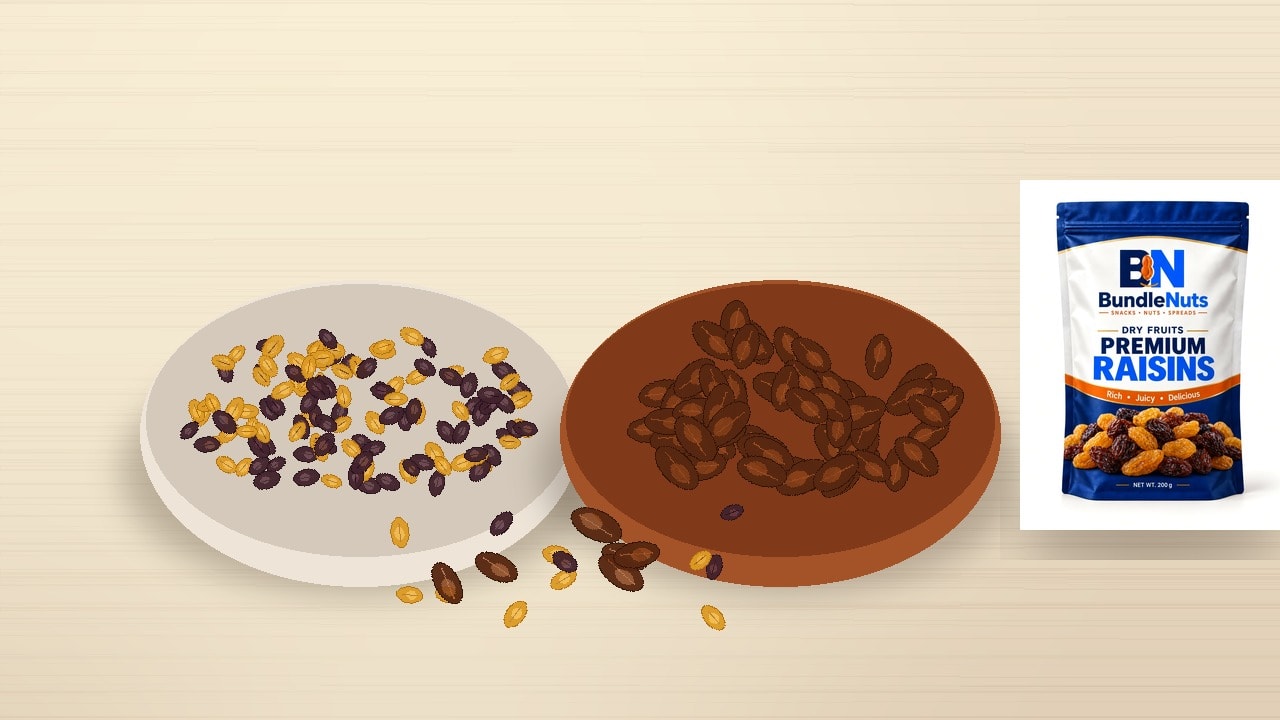
Both seedless raisins (Vitis vinifera) and whole pitted dates (Phoenix dactylifera) serve as exceptional whole-food alternatives to refined sugar sweets, high-fructose corn syrups, and synthetic energy bars. However, they excel in distinct functional nutrition roles. Seedless raisins take the lead in concentrated plant-based Iron (~3.2mg per 100g), Boron (~2.2mg), and unique organic acids (specifically tartaric acid). This chemical combination supports red blood cell production, joint bone mineral density, and optimal colonic transit time, making raisins an ideal daily addition to morning oatmeal, trail mixes, and afternoon tea snacks.
Whole pitted dates win in electrolyte and rapid glycogen recovery power—delivering a massive 656mg of Potassium per 100g (nearly double that of bananas), along with Vitamin B6, Magnesium, and a balanced 1:1 ratio of natural fructose and glucose. Dates act as a superior natural pre-workout fuel and post-meal sweet craving solution, providing an immediate cognitive and physical energy boost backed by insoluble dietary fiber.
“Opt for raisins when seeking bioavailable iron, bone-supporting boron, and tartaric acid for digestion; choose dates for high potassium electrolytes, neuromuscular stamina, and quick post-workout glycogen recovery.”
Botanical Sugar Structures: Fructose vs Glucose Ratios in Dried Fruits
To understand how dried fruits supply clean energy without causing metabolic strain, we must examine their botanical monosaccharide architectures:
• Raisin Carbohydrate Matrix (Vitis vinifera): Sun-dried grapes concentrate natural sugars alongside structural pectin. Carbohydrates in raisins consist of approximately 50% Fructose and 48% Glucose. Fructose is processed primarily through liver metabolism rather than triggering immediate pancreatic insulin secretion. Furthermore, raisins contain 3.3g to 4.0g of dietary fiber per 100g, which encapsulates simple sugars and slows their passage through the small intestine.
• Date Carbohydrate Complexity (Phoenix dactylifera): Freshly harvested and dried date palm fruits contain equal proportions of Fructose, Glucose, and trace Sucrose depending on variety (Deglet Noor vs Medjool vs Sukkari). Because glucose directly enters the bloodstream while fructose provides sustained metabolic burn, dates deliver a dual-phase energy release—delivering an instant surge of alertness followed by steady endurance.
“Intact dietary fiber and balanced fructose-to-glucose ratios in whole dried fruits prevent the rapid blood sugar crashes typical of refined candies and sodas.”
Micronutrient Head-to-Head: Iron & Boron Density vs. Potassium & Vitamin B6
Comparing 100g of sun-dried seedless raisins and whole pitted dates highlights key mineral differences:
• Iron & Hemoglobin Synthesis: Raisins supply 3.2mg of iron per 100g (over 18% of daily recommended intake), compared to 1.0mg in dates. Paired with natural Vitamin C in mixed trail blends, raisin iron actively supports hemoglobin synthesis and fights fatigue.
• Potassium & Fluid Balance: Dates are an electrolyte heavyweight, providing 656mg of potassium per 100g versus 749mg in raisins. Potassium neutralizes excess dietary sodium, regulates arterial blood pressure, and prevents muscle cramps during workouts.
• Boron & Bone Density: Raisins are one of the richest dietary sources of Boron (2.2mg/100g), a trace mineral essential for calcium integration into bone matrix and hormone regulation.
• Tartaric Acid & Gut Motility: Raisins contain significant levels of tartaric organic acid, which works synergistically with soluble fiber to nourish colonic microbiota and encourage healthy bowel regularity.
Glycemic Load & Energy Sustenance: The 4 PM Desk Slump Solution
A major concern for office professionals and wellness-conscious snackers is avoiding the afternoon energy crash caused by refined snacks. Evaluating Glycemic Index (GI) and Glycemic Load (GL) clarifies how both fruits perform:
• Glycemic Index Thresholds: Sun-dried raisins exhibit a low-to-moderate Glycemic Index (GI ~49–54), while dried dates range from GI 42 to 55 depending on moisture and variety. Both fall safely below high-GI snacks like potato chips (GI ~75) or white bread (GI ~73).
• Satiety Hormone Activation: Consuming a 30g portion of raisins or dates during afternoon work hours stimulates satiety hormones (CCK and PYY), curbing hunger until dinner without inducing lethargy.
“With low-to-moderate glycemic indices, raisins and dates release steady glucose into the bloodstream, preserving cognitive stamina during long workday meetings.”
Matching Dried Fruits to Daily Workday & Culinary Moments
Incorporate clean, sweet dried fruits into your daily schedule across these key occasions:
1. 8:00 AM Breakfast Nut & Seed Toppings: Sprinkle sweet golden raisins or chopped dates over warm morning porridge, muesli, or Greek yogurt to replace refined white sugar.
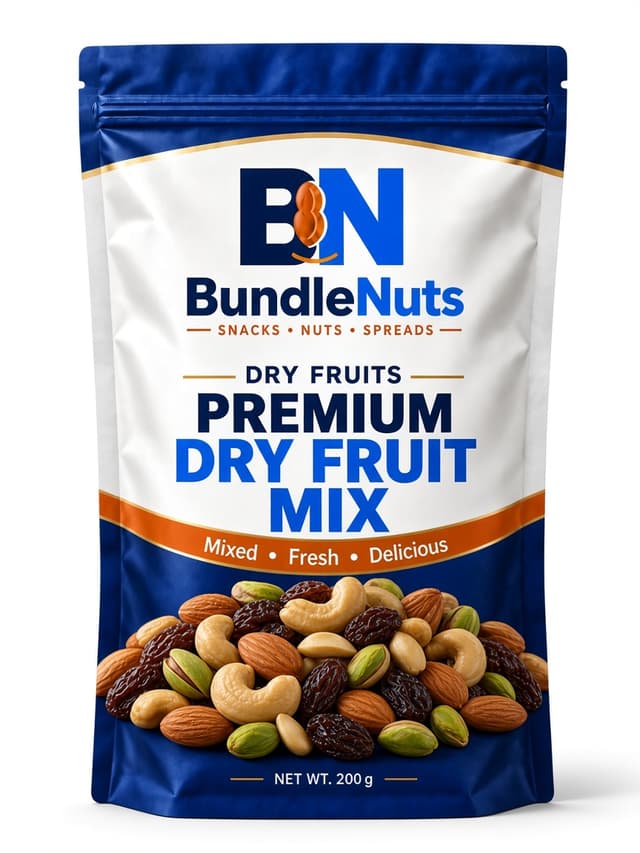
2. 11:00 AM & 4:00 PM Desk-Side Energy Boost: Keep a 100g pouch of Premium Raisins or Premium Dry Fruit Mix at your workspace for a clean, non-messy energy pick-me-up.
3. Pre-Workout & Post-Exercise Fuel: Consume 2–3 whole dates 30 minutes before exercise for immediate glycogen availability and potassium muscle defense.
4. Festive Gifting & Family Dessert Pairings: Combine raisins and dates with California almonds, cashews, and walnuts for elegant, health-conscious festive hampers.
FMCG Sourcing & Moisture Preservation: Preventing Clumping & Sugar Crystallization
Dried fruits are naturally hygroscopic, meaning they absorb or release moisture based on ambient atmospheric humidity. Understanding quality benchmarks ensures long-lasting shelf stability:
1. Kernel Inspection & Grading: Premium raisins should feature plump, uniform seedless bodies without grit, stems, or excessive surface sugar crystallization. Dates must show intact skins with zero fermentation odours.
2. Moisture-Controlled Barrier Packaging: Exposure to tropical humidity causes dried fruits to stick, ferment, or oxidize. Multilayer metallized aluminum barrier pouches with nitrogen flushing preserve soft chewiness for 6–9 months.
3. Home Pantry Care: Store open dried fruit pouches in airtight glass or stainless steel jars in a cool, dark pantry. In humid monsoon months, refrigeration (4°C) prevents sugar migration and preserves natural aroma.
Explore the BN BundleNuts Premium Dry Fruit Range
At BN BundleNuts, our Dry Fruits portfolio brings grade-verified sourcing and protective barrier packaging to modern Indian homes:
• Premium Raisins: Sun-dried, plump green and amber seedless raisins packed in nitrogen-flushed pouches. Available at /products/dry-fruits/premium-raisins.
• Premium Dry Fruit Mix: A balanced, nutritious blend of whole almonds, cashews, pistachios, walnuts, and seedless raisins. Available at /products/dry-fruits/premium-dry-fruit-mix.
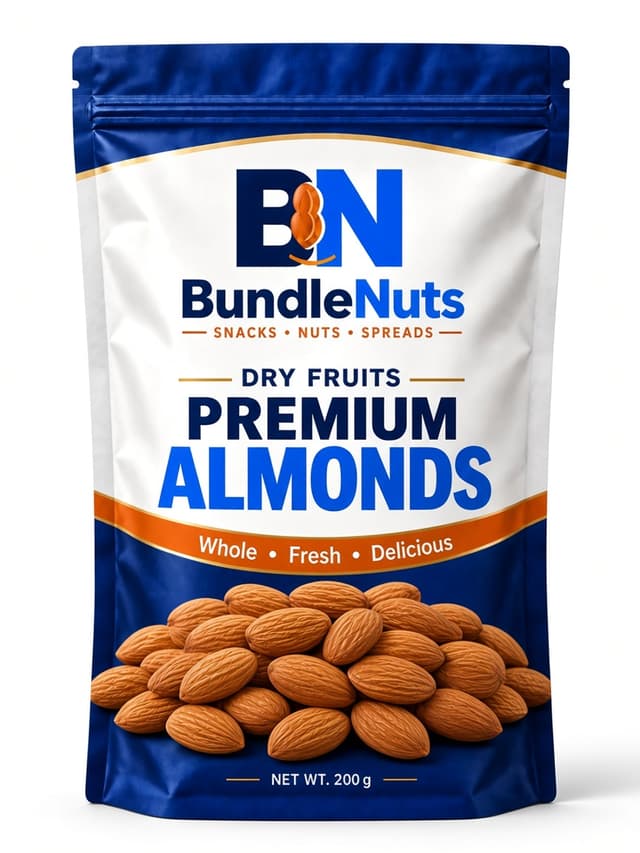
• Whole Premium Nuts: Complement your dried fruit intake with /products/dry-fruits/premium-almonds, /products/dry-fruits/premium-cashews, and /products/dry-fruits/premium-walnuts.
For further reading on dry fruit selection and preservation, explore our comprehensive guides on Pistachios vs Walnuts (/blog/pistachios-vs-walnuts-snack-guide), Almonds vs Cashews (/blog/almonds-vs-cashews-snack-guide), Dry Fruit Storage Guide (/blog/dry-fruit-storage-guide-preserve-freshness-prevent-rancidity), and Diwali Dry Fruit Gifting Guide 2026 (/blog/diwali-dry-fruit-gifting-guide-2026).
Raisins vs Dates Snacking FAQs
Q: Can diabetics consume raisins or dates as a daily snack? A: Yes, in controlled 15g to 20g portions! Because raisins and dates contain intact dietary fiber and low-to-moderate glycemic indices, they cause a significantly milder glycemic response than refined sugar sweets. Consult a physician for personalized guidance.
Q: Do raisins cause dental cavities compared to dates? A: While raisins are sweet and chewy, research indicates that the oleanolic acid and tartaric acid in raisins inhibit the growth of oral bacteria (Streptococcus mutans) that cause cavities.
Q: How does nitrogen flushing extend the shelf life of packaged raisins? A: Nitrogen flushing displaces ambient atmospheric oxygen inside the barrier pouch, preventing sugar oxidation, mold growth, and loss of natural fruit moisture.