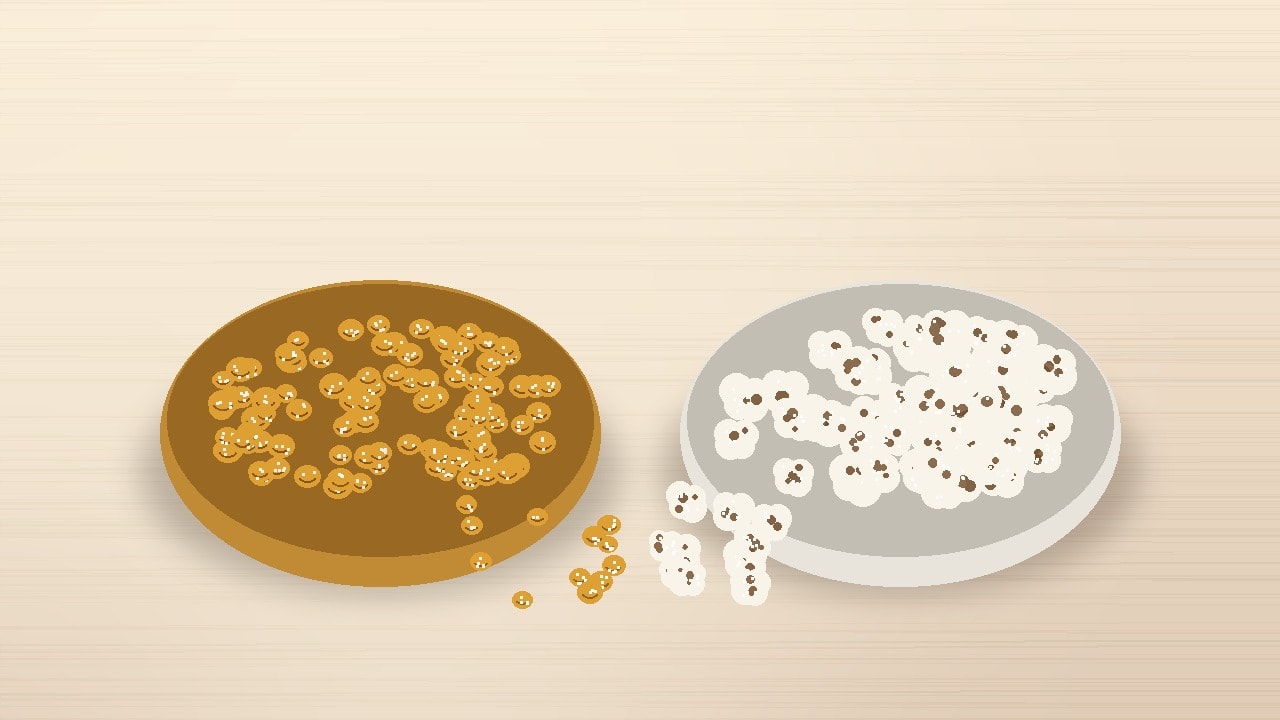
At a Glance: Roasted Chana vs Roasted Makhana Comparison
When seeking a better-for-you Indian evening snack or workplace tea-time chakhna, two unpretentious whole foods lead the market: **Roasted Chana** (*Cicer arietinum*, dry-roasted Bengal gram) and **Roasted Makhana** (*Euryale ferox*, popped fox nuts or Gorgon nut seeds). Both offer a crisp, satisfying alternative to deep-fried namkeen and synthetic potato chips, yet their nutritional architecture, volume metrics, and physiological benefits differ significantly.
While dry-roasted chana is a dense legume rich in slow-digesting complex carbohydrates, plant protein, and dietary fiber, roasted makhana is a popped seed celebrated for its light airiness, mineral density (magnesium, potassium, and calcium), and remarkable low volume-to-calorie ratio. Understanding their unique macronutrient ratios allows conscious consumers and health-focused snackers to choose the right option for their daily routine.
**Key Comparative Takeaways (per 100g dry-roasted baseline):** • **Plant Protein:** Roasted Chana delivers approximately **18g–19g of protein**, whereas Roasted Makhana yields **9.5g–10g of protein**. • **Dietary Fiber:** Roasted Chana contains **15g of dietary fiber** (high in resistant starch and insoluble fiber), while Makhana offers **14.5g of dietary fiber**. • **Calorie Density & Volume:** A standard 30g serving of dry-roasted chana provides **~110 kcal** in a compact palmful, whereas 30g of puffed makhana yields **~105 kcal** but fills 3 to 4 times the physical bowl volume. • **Glycemic Index (GI):** Roasted Chana has an exceptionally low GI of **~28**, making it superior for blood glucose stability. Roasted Makhana holds a low-to-moderate GI of **~45**.
Botanical Origins and Dry-Roasting Science
The distinct textural experience of both snacks stems directly from their botanical structures and traditional thermal processing methods used across Indian agriculture:
1. **Roasted Chana (Bengal Gram):** Chana belongs to the Fabaceae (legume) family. Whole dark chickpeas (*Desi chana*) undergo soaking, sun-drying, and dry sand-roasting at elevated temperatures (~150°C–180°C). This thermal dry-roasting triggers the Maillard reaction, developing a deep nutty aroma, crisp seed coat splitting, and gelatinizing raw starches to enhance starch digestibility without requiring added frying oils.
2. **Roasted Makhana (Fox Nuts):** Makhana seeds are harvested from aquatic lotus-like lily plants cultivated primarily in the wetlands of Bihar, India. The raw seeds are sun-dried, tempered, heat-treated in earthen pans, and manually popped open under pressure to create white, sponge-structured puffed kernels. Hot-air dry-roasting or mild oil misting locks in crispness while preserving intrinsic polyphenols and flavonoids.
Plant Protein Ratios and Dietary Fiber Breakdown
For individuals prioritizing daily protein intake and gut motility, comparing protein and fiber densities between legumes and aquatic popped seeds provides valuable guidance:
• **Protein Quality & Amino Acid Profile:** Roasted chana is an exceptional source of lysine and essential amino acids typical of legumes. Combining roasted chana with grains or nuts completes the essential amino acid spectrum. Makhana contains essential amino acids including glutamic acid, leucine, and methionine, but in lower total concentration per gram than legumes.
• **Dietary Fiber & Gut Microbiome:** Both snacks excel in dietary fiber. Roasted chana provides substantial insoluble fiber and resistant starch, which transit to the large intestine where gut microbiota ferment them into beneficial short-chain fatty acids (SCFAs like butyrate). Makhana provides gentle soluble and insoluble fiber that supports digestive comfort without bloating.
Glycemic Load, Calorie Density, and Satiety Dynamics
Metabolic health during afternoon work hours depends on avoiding rapid blood sugar spikes and subsequent energy crashes. Both snacks perform exceptionally well compared to refined flour snacks, but operate through different physiological satiety pathways:
1. **Mastication & Gastric Emptying (Chana):** Because roasted chana has a dense leguminous cell matrix, it requires deliberate chewing. This oral processing time, combined with resistant starch and protein, delays gastric emptying and maintains sustained satiety for 2 to 3 hours post-snacking.
2. **Volumetric Satiety & Mindful Snacking (Makhana):** Makhana relies on *volumetric satiety*. Because puffed makhana kernels are light and expanded, a 30g serving fills a large bowl. Consuming a visually large bowl tricks brain satiety centers (the cephalic phase of appetite regulation) while keeping total caloric intake under 110 kcal.
Daily Snacking Occasions: Desk, Tea-Time, and Pre/Post Workout
Selecting between roasted chana and roasted makhana depends on your specific lifestyle setting and metabolic needs throughout the day:
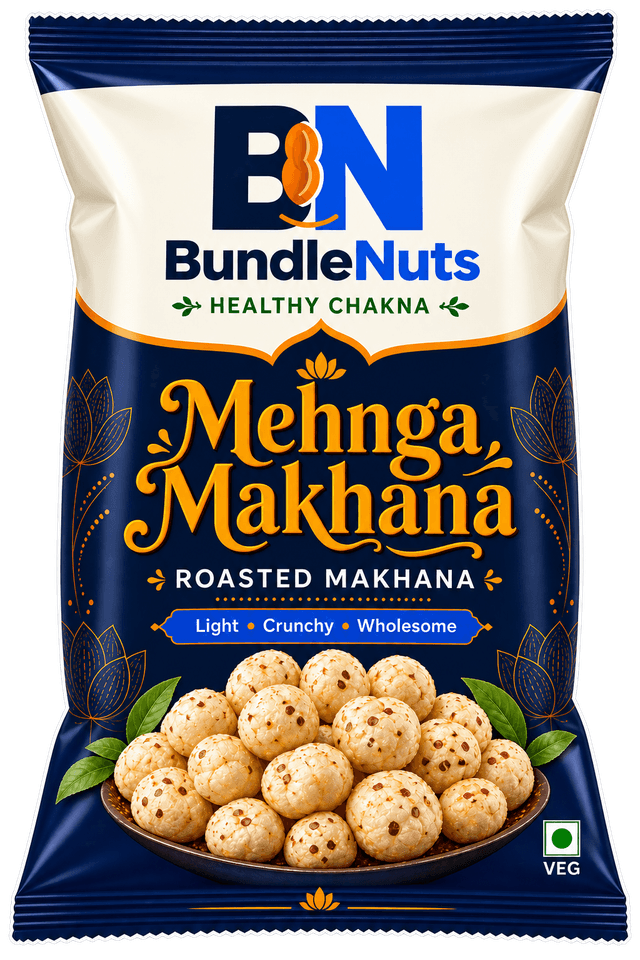
• **Mid-Afternoon Office Desk Snacking:** When working long hours at a computer, [BN BundleNuts Salted Roasted Makhana](/products/healthy-chakhna/salted-roasted-makhana) or [Masala Roasted Makhana](/products/healthy-chakhna/masala-roasted-makhana) provides crunchy, low-calorie volume that keeps hands busy without accumulation of surplus calories.
• **Evening Tea-Time & Chakhna Gatherings:** During traditional evening chai breaks or casual gatherings, [BN BundleNuts Salted Roasted Channa](/products/daily-chakhna/salted-roasted-channa) or [Masala Roasted Channa](/products/daily-chakhna/masala-roasted-channa) offers robust protein density, filling energy, and classic Indian spiced crunch.
• **Post-Workout Recovery & Fitness Fuel:** Combine a handful of roasted chana with makhana or nuts for an optimal balance of plant protein, complex carbohydrates, and minerals.
Frequently Asked Questions
**Q1: Is roasted chana or roasted makhana better for weight loss?** Both are outstanding weight management options. Roasted makhana offers superior volume per calorie (30g fills a full bowl for ~105 kcal), making it ideal if you crave visual volume. Roasted chana offers higher plant protein (18g/100g) and lower glycemic index (~28), providing longer satiety if you struggle with mid-afternoon hunger.
**Q2: Does roasted chana have more protein than makhana?** Yes. Dry-roasted chana provides approximately 18g–19g of plant protein per 100g, compared to approximately 9.5g–10g of protein per 100g in roasted makhana.
**Q3: Can diabetic individuals consume both chana and makhana?** Yes. Roasted chana has a very low Glycemic Index (~28) and high fiber content, making it particularly beneficial for blood sugar control. Makhana has a low-to-moderate GI (~45) and is also a healthy choice when consumed in portion-controlled servings.
**Q4: How does BN BundleNuts ensure quality in roasted chana and makhana?** BN BundleNuts sources premium-grade Indian Bengal gram and top-grade popped fox nuts, hot-air roasting them without deep-frying in excessive oil to retain maximum intrinsic nutrients, crisp texture, and clean flavor.
The BundleNuts Commitment to Clean Indian Snacking
At BN BundleNuts, we craft authentic, better-for-you Indian snacks across our [Daily Chakhna](/products/daily-chakhna) and [Healthy Chakhna](/products/healthy-chakhna) ranges. To explore more about roasted legume and nut science, read our [Roasted Chana vs Roasted Peanuts Snack Guide](/blog/roasted-chana-vs-roasted-peanuts-snack-guide) and [Roasted Makhana vs Roasted Peanuts Snack Guide](/blog/roasted-makhana-vs-roasted-peanuts-snack-guide).
Whether you prefer the protein-dense crunch of our [Salted Roasted Channa](/products/daily-chakhna/salted-roasted-channa) and [Masala Roasted Channa](/products/daily-chakhna/masala-roasted-channa), or the light, airy crunch of our [Salted Roasted Makhana](/products/healthy-chakhna/salted-roasted-makhana), [Masala Roasted Makhana](/products/healthy-chakhna/masala-roasted-makhana), or [Peri Peri Makhana](/products/healthy-chakhna/peri-peri-makhana), every pack reflects our commitment to clean roasting, zero trans-fats, and uncompromised quality.