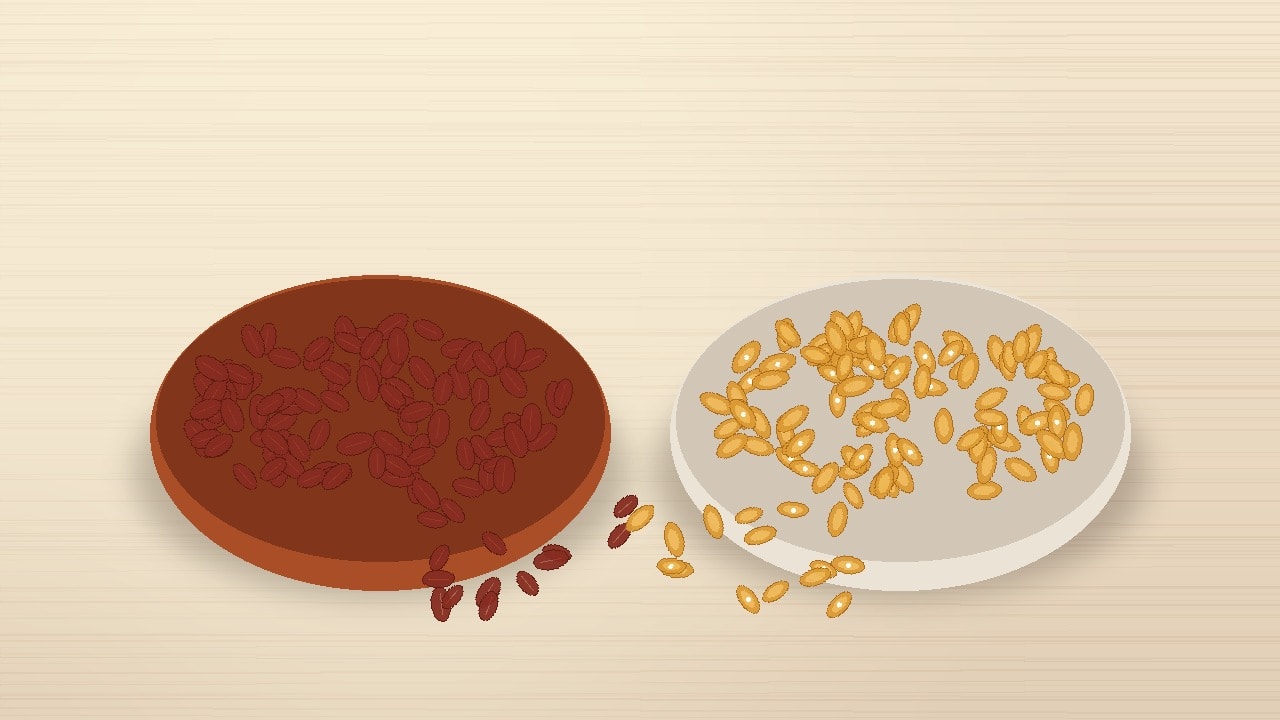
Roasted Peanuts vs Raw Peanuts: Which Belongs in Your Daily Diet?
Dry-roasted peanuts are fundamentally superior to raw peanuts for daily snacking and workplace consumption. While raw peanuts (Arachis hypogaea) contain intact plant protein and healthy monounsaturated lipids, they also carry high concentrations of antinutrients—specifically phytic acid (myo-inositol hexakisphosphate) and active trypsin enzyme inhibitors. Consuming raw peanuts frequently can cause abdominal heaviness, gas, bloating, and impaired mineral absorption.
In contrast, BN BundleNuts Roasted Peanuts undergo thermal hot-air roasting at 140°C–160°C. This process degrades phytic acid by up to 70%, denatures protease inhibitors, eliminates potential foodborne pathogens, and reduces water activity below aw 0.40 to prevent mold formation. Thermal roasting unlocks 25g of bioavailable plant protein per 100g, creates an acoustic crunch, and leaves your hands non-greasy while working at keyboards and touchscreens.
“Dry roasting inactivates digestive enzyme inhibitors and slashes phytic acid by up to 70%, transforming raw peanuts into an easily digestible, mineral-rich daily snack.”
The Food Science of Antinutrients: Phytic Acid Breakdown & Trypsin Inhibitors
Peanuts are botanically legumes that mature underground within protective woody pods. Like all legume seeds, raw peanuts protect their stored macronutrients using natural chemical defenses designed to deter premature digestion and environmental decay:
• Phytic Acid (Myo-Inositol Hexakisphosphate): Phytic acid acts as the primary storage form of phosphorus in raw seeds. However, in the human digestive tract, phytate molecules bind tightly to essential dietary minerals—including Iron (Fe²⁺), Zinc (Zn²⁺), Calcium (Ca²⁺), and Magnesium (Mg²⁺)—forming insoluble chelates that pass through the gut unabsorbed.
• Trypsin & Chymotrypsin Protease Inhibitors: Raw peanuts contain protein molecules that specifically inhibit human pancreatic enzymes (trypsin and chymotrypsin). These enzyme inhibitors prevent full amino acid breakdown in the small intestine, leading to protein malabsorption and stomach distress.
• Thermal Inactivation Mechanics: Thermal heat treatment during controlled hot-air roasting disrupts the tertiary protein structure of trypsin inhibitors, completely inactivating them. Furthermore, heat activates endogenous phytase enzymes and breaks down phytate complexes, increasing mineral bioavailability.
“Controlled thermal roasting denatures trypsin inhibitors and breaks phytate bonds, releasing vital iron, zinc, and magnesium for optimal metabolic use.”
Digestive Chemistry: Why Raw Peanuts Cause Bloating while Roasted Peanuts Soothe Motility
Understanding the physiological difference between raw and roasted peanut consumption explains why raw nuts frequently trigger gastrointestinal complaints:
• Gastric Emptying & Enzyme Contact: Raw peanut starches and unbroken cellular walls require prolonged gastric acid exposure. Because trypsin inhibitors impede protein hydrolysis, undigested peanut particles enter the large intestine where colonic bacteria ferment unabsorbed carbohydrates, producing intestinal gas, bloating, and abdominal cramps.
• Maillard Aroma & Enzymatic Readability: Thermal roasting breaks down dense cellular pectin matrices and partially gelatinizes starch structures. This increases the surface area accessible to human digestive enzymes. In addition, pairing roasted peanuts with traditional carminative Indian spices—such as Asafoetida (Hing) and roasted Cumin (Jeera)—further stimulates pancreatic enzyme secretion and eases gut motility.
Aflatoxin Control & FSSAI Standards: Moisture Thresholds in FMCG Processing
Food safety is a paramount requirement when processing groundnut products across humid tropical climates like India:
• The Risk of Aflatoxin B1: Raw underground groundnuts harvested during monsoon conditions can harbour microscopic fungi, specifically Aspergillus flavus and Aspergillus parasiticus. Under high humidity (>12% moisture), these fungi produce toxic secondary metabolites known as Aflatoxins (Aflatoxin B1 being a potent liver toxin).
• Moisture Reduction & FSSAI Compliance: FSSAI food safety mandates strict limits on moisture and aflatoxins in edible nuts. Hot-air roasting evaporates internal moisture, dropping kernel water activity (aw) from ~0.75 in raw groundnuts down to below 0.35–0.40. This dry state creates a hostile environment for fungal spores, preventing mold development and locking in safety throughout the product's 6-month shelf life.
“Reducing kernel water activity below 0.40 through hot-air roasting permanently halts fungal Aspergillus growth, guaranteeing zero aflatoxin development.”
Hot-Air Roasting Mechanics vs. Deep Frying: Lipid Preservation & Non-Greasy Handling
While roasting raw peanuts is essential for safety and digestibility, the specific roasting method dictates the snack's nutritional value and desk-side convenience:
• Continuous Oil Frying (Mass-Market Brands): Lower-tier commercial brands often submerge peanuts in boiling commercial palm oil at 180°C. Boiling oil replaces internal moisture voids, saturating the peanuts with excess saturated fat, altering natural nut oils, and leaving sticky red grease on consumer fingers and keyboards.
• Precision Hot-Air Roasting (BN BundleNuts): Raw bold Java/TJ peanut kernels undergo continuous hot-air roasting without oil submersion. Circulating thermal air cooks the kernels evenly, developing a rich golden color and acoustic crunch. Ground spice blends (rock salt, hing, jeera, or chilli garlic) are applied with a microscopic edible oil mist, keeping total fat clean and hands grease-free.
Matching Roasted Peanut Flavours to Daily Workday & Tea Break Moments
Incorporate clean, crunchy roasted peanuts into your daily routine across these key occasions:
1. 11:00 AM Mid-Morning Focus Boost: Keep a 70g pouch of Classic Salted Roasted Peanuts at your desk to satisfy early hunger and maintain steady mental focus between breakfast and lunch.
2. 4:00 PM Office Cutting Chai Pairings: Pair Hing Jeera Roasted Peanuts with hot ginger tea. The carminative cumin and hing notes soothe digestion while complementing warm tea tannins.
3. Evening Chakhna & Social Spreads: Serve Chilli Garlic Roasted Peanuts or Masala Roasted Peanuts alongside cold beverages or mocktails for a zesty, oil-free Indian chakhna platter.
4. Travel & On-the-Go Fuel: Single-serve 35g impulse packs fit effortlessly into laptop bags and car consoles for non-messy nutrition during daily commutes.
Explore the BN BundleNuts Daily Chakhna Peanut Range
At BN BundleNuts, our Daily Chakhna lineup brings clean, hot-air roasted peanut innovations to Indian homes and workplaces:
• Salted Roasted Peanuts: Crisp, golden roasted peanuts lightly seasoned with rock salt. Available at /products/daily-chakhna/salted-roasted-peanuts.
• Masala Roasted Peanuts: Zesty roasted peanuts tossed in authentic Indian chatpata spices. Available at /products/daily-chakhna/masala-roasted-peanuts.
• Hing Jeera Peanuts: Roasted peanuts infused with digestion-friendly asafoetida and roasted cumin. Available at /products/daily-chakhna/hing-jeera-peanuts.
• Chilli Garlic Peanuts: Bold roasted peanuts coated in fiery red chili and garlic seasoning. Available at /products/daily-chakhna/chilli-garlic-peanuts.
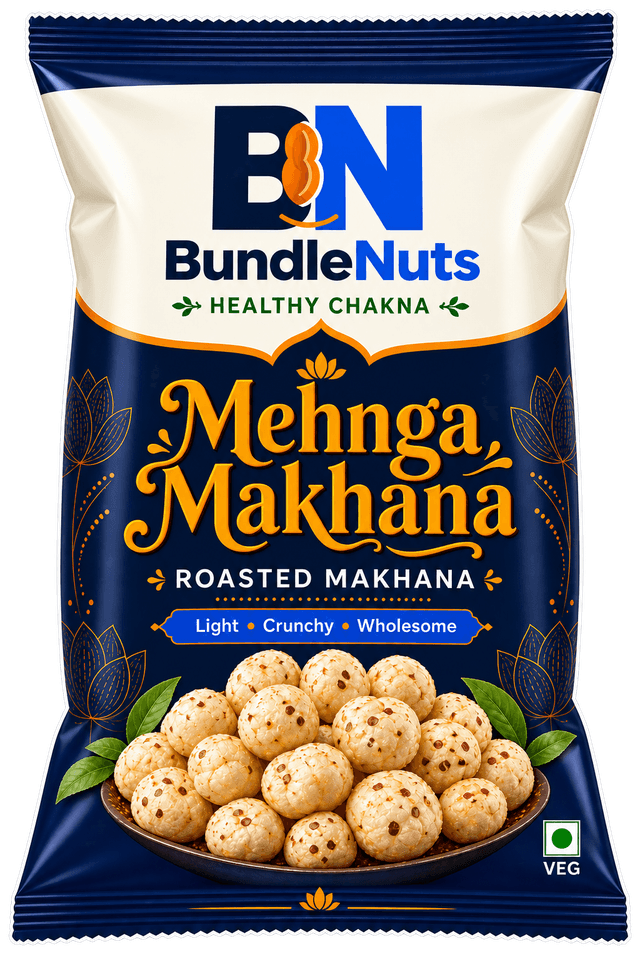
For further reading on selecting workplace snacks, explore our comprehensive guide on How to Choose Roasted Peanuts for Office & Tea-Time Snacking (/blog/how-to-choose-roasted-peanuts-office-tea-time-snacking), Hing Jeera vs Chilli Garlic Peanuts (/blog/hing-jeera-peanuts-vs-chilli-garlic-peanuts-snack-guide), Roasted Chana vs Deep-Fried Namkeen (/blog/roasted-chana-vs-deep-fried-namkeen-snack-guide), and Roasted Makhana vs Potato Chips (/blog/makhana-vs-potato-chips-roasted-snack-guide).
Roasted Peanuts vs Raw Peanuts FAQs
Q: Can eating raw peanuts cause stomach ache or bloating? A: Yes. Raw peanuts contain intact phytic acid and trypsin inhibitors that interfere with protein digestion and mineral absorption, frequently causing gas, bloating, and stomach heaviness.
Q: Does dry roasting destroy the protein or healthy fats in peanuts? A: No! Gentle hot-air roasting at 140°C–160°C preserves the healthy monounsaturated fats (oleic acid) while making the 25g of plant protein per 100g significantly more bioavailable.
Q: How does BundleNuts ensure peanuts remain non-greasy for desk work? A: BundleNuts uses 100% hot-air dry roasting instead of deep oil frying. Spices adhere with a microscopic edible oil mist, leaving your fingers clean while working on touchscreens and keyboards.