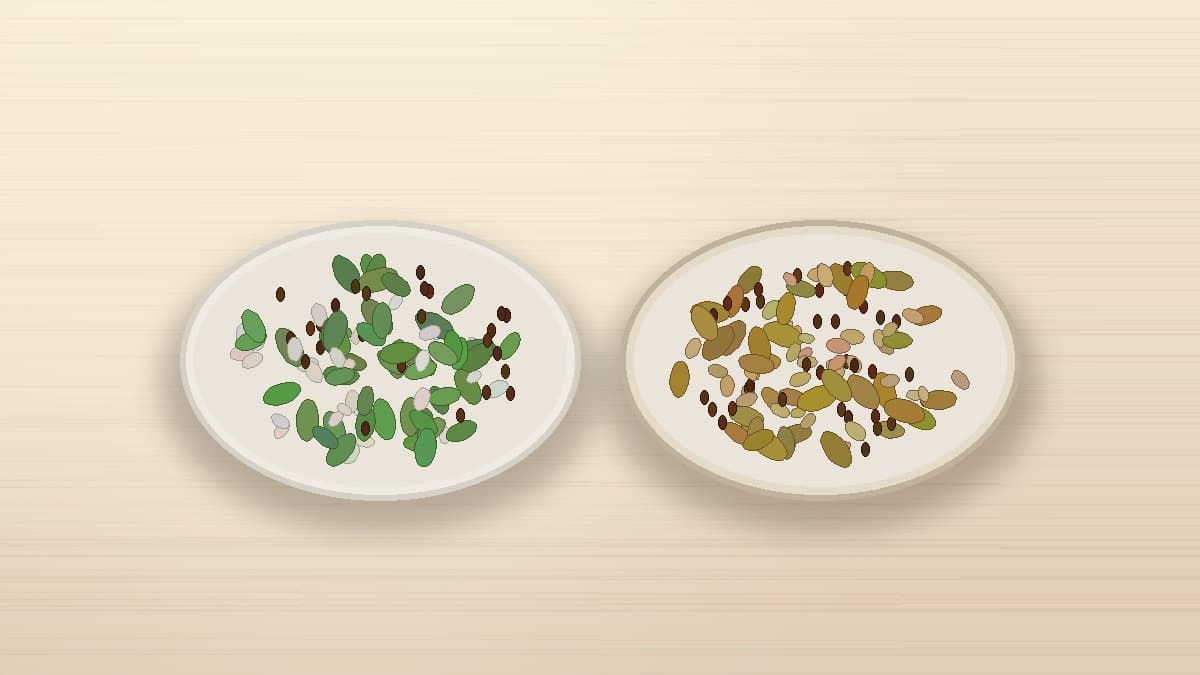
Quick Summary: Raw Seeds vs Hot-Air Roasted Seeds at a Glance
Edible seeds—including pumpkin (Cucurbita pepo), sunflower (Helianthus annuus), watermelon (Citrullus lanatus), and flax (Linum usitatissimum)—are rich natural sources of plant-based protein, dietary fiber, magnesium, zinc, and healthy unsaturated fatty acids. However, consuming seeds in their raw state presents distinct digestive and biochemical drawbacks due to naturally occurring anti-nutrients like phytic acid and trypsin inhibitors.
Controlled dry hot-air roasting thermally degrades anti-nutrients, deactivates digestive enzyme inhibitors, lowers seed moisture activity (aw) to ensure extended shelf stability, and transforms dense, chewy seeds into a light, aromatic, and crispy snack ideal for daily desk and evening routine consumption.
“Hot-air dry roasting thermally breaks down digestive enzyme inhibitors and phytic acid, making essential minerals more bioavailable while enhancing crunch and digestive comfort.”
1. Understanding Seed Science: Raw vs Hot-Air Roasted Processing
Raw seeds are harvested, cleaned, hull-separated, and packed without thermal exposure. While raw seeds preserve temperature-sensitive heat-labile vitamins like Vitamin E, their dense cellular matrix holds moisture levels between 7% and 10%. This residual moisture renders raw seeds pliable and chewy, while leaving natural digestive inhibitors fully active.
Hot-air dry roasting subjects seeds to controlled thermal energy (120°C to 150°C) in a fluidised chamber without immersion in frying oils or grease. This process evaporates excess surface and internal capillary moisture, lowering seed moisture activity (aw) to below 0.25. As water evaporates, natural essential oils gently migrate toward the seed surface, intensifying natural nutty flavours and creating a crisp cellular structure.
2. The Phytate Factor: Phytic Acid & Mineral Bioavailability
Phytic acid (myo-inositol 1,2,3,4,5,6-hexakisphosphate) is the primary storage form of phosphorus in edible seeds. In raw seeds, phytic acid acts as a potent anti-nutrient by binding tightly to essential divalent minerals—specifically Zinc (Zn²⁺), Magnesium (Mg²⁺), Calcium (Ca²⁺), and Iron (Fe²⁺)—forming insoluble phytate-mineral complexes that human digestive enzymes cannot easily break down.
Controlled dry roasting breaks the ester bonds in phytic acid molecules through thermal hydrolysis, reducing total phytate concentration by 30% to 45%. This biochemical reduction frees bound minerals, dramatically improving their intestinal bioavailability so your body can absorb the essential zinc, magnesium, and dietary iron present in pumpkin and sunflower seeds.
“Thermal degradation during hot-air roasting breaks phytic acid's mineral-chelating bonds, unlocking bound zinc, magnesium, and iron for enhanced nutrient absorption.”
3. Digestive Comfort: Denaturing Trypsin & Amylase Inhibitors
Raw seeds contain natural protective proteins known as trypsin and chymotrypsin inhibitors. In nature, these compounds prevent premature germination and deter pests. When consumed raw in significant quantities, these enzyme inhibitors interfere with human pancreatic endopeptidases (trypsin), leading to incomplete protein digestion, upper abdominal heaviness, and intestinal gas formation.
Applying heat during dry roasting thermally denatures these heat-sensitive protein inhibitors, changing their tertiary protein structure. Denatured enzyme inhibitors can no longer block pancreatic trypsin activity, allowing human digestive proteases to smoothly break down seed proteins into absorbable amino acids without digestive distress or stomach heaviness.
4. Moisture Activity, Lipid Oxidation & Shelf-Life Dynamics
Polyunsaturated fatty acids (PUFAs)—such as linoleic acid (Omega-6) and alpha-linolenic acid (Omega-3)—are sensitive to oxidative degradation. In raw seeds, active lipoxygenase enzymes can react with residual moisture and oxygen, initiating hydrolytic rancidity that creates off-flavours and shortens storage life.
Hot-air roasting deactivates lipoxygenase enzymes and reduces moisture activity to optimal low levels. When packaged in multi-layer barrier laminates under nitrogen flushing, dry-roasted seeds maintain superior lipid stability, crisp texture, and fresh aroma for months without needing artificial chemical preservatives or synthetic antioxidants.
“Lowering water activity (aw) below 0.25 deactivates lipid-degrading lipoxygenase enzymes, locking in fresh flavor and extended crunch.”
5. Texture, Acoustic Crunch, and Workday Satiety Mechanics
Chewing raw seeds requires prolonged mastication due to their flexible, fibrous cell walls. In contrast, dry-roasted seeds undergo cell wall crisping as trapped moisture escapes during roasting, creating micro-cavities within the endosperm.
This micro-cavity structure delivers a distinct acoustic crunch when bitten. Auditory feedback from crunching combined with high dietary fiber and plant protein triggers sensory-specific satiety, making a portioned bowl of dry-roasted seed mix a deeply satisfying, mindful desk snack that prevents brain-fog and afternoon energy crashes.
6. Daily Portioning & Clean Desk Snacking Guidelines
To enjoy the maximum nutritional benefits of a seed mix without exceeding daily calorie needs, follow these clean snacking recommendations:
• Recommended Serving Size: 25g to 30g (approx. 2 generous tablespoons or one small handful) per day.
• Ideal Snacking Occasions: Mid-morning tea break (11:00 AM) or mid-afternoon work focus hour (4:00 PM).
• What to Look For: Choose 100% oil-free hot-air roasted seeds without added palm oil, hydrogenated fats, or excessive sodium. Check that the mix combines complementary seeds like pumpkin, sunflower, watermelon, and flax for a well-rounded micronutrient profile.
• Pairing Suggestions: Pair dry-roasted seeds with green tea, black coffee, or fresh coconut water for a clean, sustained energy boost.
7. BundleNuts Product Connection: Clean Roasted Seed Mix
At BN BundleNuts, we craft our Healthy Chakhna range around the principles of clean food science and authentic Indian snacking pleasure.
Our Roasted Seed Mix brings together carefully calibrated ratios of premium pumpkin seeds, sunflower seeds, watermelon seeds, and flax seeds—dry hot-air roasted to crisp perfection with zero added oil, zero trans-fats, and light, balanced seasoning.
Whether you need an energy-dense mid-day desk snack, a clean post-workout nibble, or a lighter alternative to deep-fried namkeen, BundleNuts Roasted Seed Mix offers pure crunch, rich plant protein, and superior digestive comfort.
“Explore our clean, oil-free Roasted Seed Mix in the Healthy Chakhna collection at /products/healthy-chakhna/roasted-seed-mix.”
8. Frequently Asked Questions (FAQs)
Q: Does dry roasting destroy the healthy fats in pumpkin and sunflower seeds?
A: No. Controlled dry roasting under 150°C preserves the structural integrity of monounsaturated and polyunsaturated fatty acids while deactivating lipoxygenase enzymes that cause rancidity.
Q: Are raw seeds healthier than roasted seeds?
A: While raw seeds contain slightly higher levels of heat-labile Vitamin E, roasted seeds offer significantly better mineral bioavailability (due to phytic acid reduction) and improved protein digestibility (due to enzyme inhibitor denaturation).
Q: Can I eat roasted seed mix every day?
A: Yes. A daily portion of 25g-30g provides essential magnesium, zinc, plant protein, and dietary fiber without excess sodium or unhealthy fats.
Q: How should I store dry-roasted seed mixes?
A: Keep them in an airtight container or seal the multi-layer barrier pack tightly after opening, stored in a cool, dry place away from direct sunlight to preserve crunch and prevent ambient moisture absorption.
Explore Related Products & Guides
Discover more clean snacking insights and premium products from BundleNuts:
• Product: /products/healthy-chakhna/roasted-seed-mix (BundleNuts Roasted Seed Mix)
• Category: /products/healthy-chakhna (Healthy Chakhna Collection)
• Article: /blog/roasted-seed-mixes-vs-deep-fried-namkeen-snack-guide (Roasted Seed Mixes vs Deep-Fried Namkeen)
• Article: /blog/almonds-vs-cashews-snack-guide (Almonds vs Cashews Nut Guide)
• Article: /blog/dry-fruit-storage-guide-preserve-freshness-prevent-rancidity (Dry Fruit Storage Guide)
• Article: /blog/protein-first-snacking-india-nuts (Why India's Snack Basket Is Going Protein-First)